
Case Study
Trading Evolution: From Bots to AI Hedge Fund
How simple crypto bots evolved into a 9-agent autonomous trading system
The journey from single-strategy RL bots to multi-agent consensus trading. Three generations of autonomous trading systems, each building on lessons from the previous: Trading Agents → Chimera → Agora Quantum.
!The Single-Strategy Trap
My first trading bots used reinforcement learning with fixed strategies. They worked—until market conditions changed. A momentum strategy that printed money in bull markets hemorrhaged in sideways markets. Single-model systems have blind spots.
- Single strategies fail when market conditions change
- No mechanism to challenge or validate trading decisions
- RL models overfit to historical patterns
- Human bias encoded into strategy selection
Evolutionary Architecture
Each generation learned from the previous. Trading Agents proved autonomous execution worked. Chimera added multi-LLM voting to reduce single-model bias. Agora Quantum introduced structured debate with specialized agents representing different investment philosophies.
- Gen 1 (Trading Agents): RL-based crypto bots, $500 capital, Raspberry Pi execution
- Gen 2 (Chimera): 3 LLMs (Grok, Gemini, Claude) voting on crypto trades, 90% cost reduction via caching
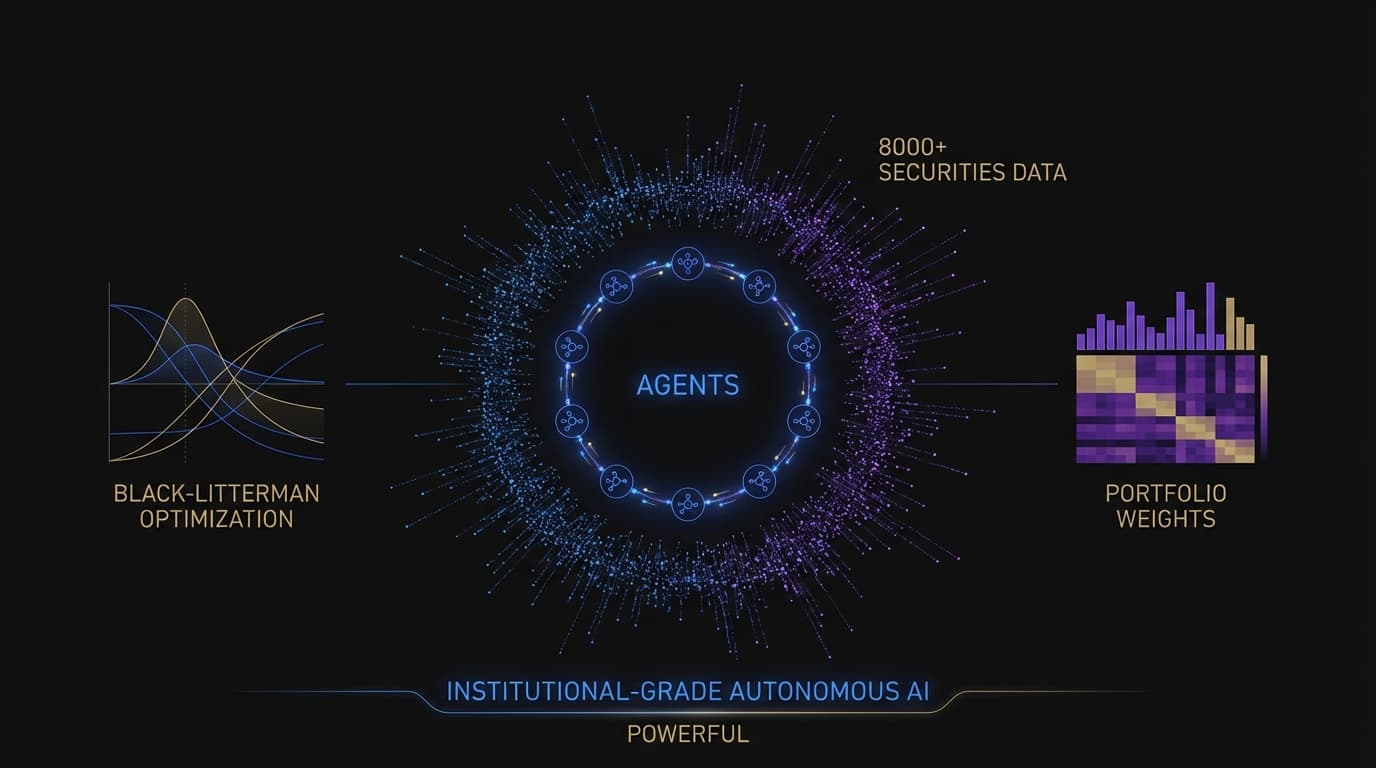
- Gen 3 (Agora): 9 specialized agents, 3-round debate protocol, 8,000+ securities coverage
- All generations: Running 24/7 on Raspberry Pi (~$50 hardware)
Architecture
The architecture evolved from single-model inference to multi-agent orchestration. Each generation maintained the core principle: cheap hardware, sophisticated software.
Timeline
Key Lessons
Single-strategy systems are fragile; multi-perspective systems are antifragile
Structured debate surfaces insights that consensus voting misses
Cheap hardware + sophisticated software beats expensive infrastructure + simple software
Each generation must solve the problems the previous generation revealed
LLM diversity (different models, different philosophies) reduces correlated failures